

September: When Grapes Become Wine aka the Winemaker’s Moment of Truth
September drapes the vineyards in a golden light, carrying with it both urgency and promise. For winemakers, it is the month of truth, the moment when an entire year of labor hangs delicately on the ripeness of the grape. Each day in the vineyard is filled with quiet tension: the vines are watched, the berries tasted, their sweetness measured not just with instruments but with intuition. Numbers tell one story about sugar levels, acidity and pH. The deeper truth though lies in the flavor of the fruit, in the crunch of the seeds, in the sense that the grape itself whispers it is ready.
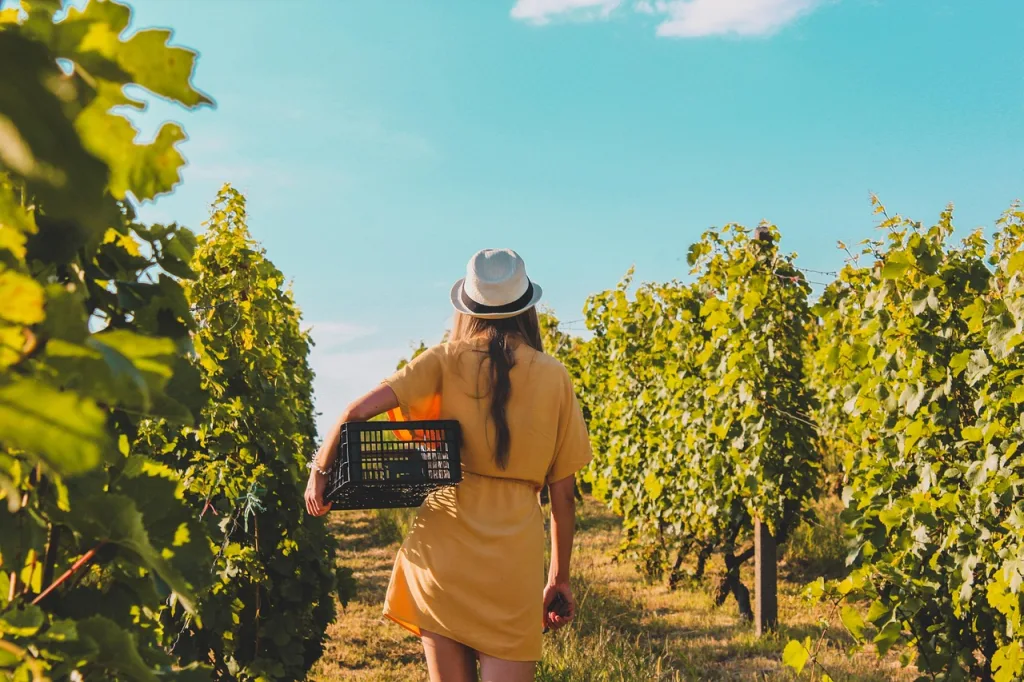
When that readiness arrives, the vineyards awaken in a rush of human hands and voices. The harvest begins, and suddenly the peaceful rows of vines turn into a stage of activity. Grapes for mass produced wines are mostly gathered by machine, but on the steep slopes and in the pursuit of fine wines, hands still guide the shears. Baskets fill, laughter mingles with the rustle of leaves, and families, neighbors, and seasonal helpers work side by side. Each cluster carries within it the essence of the year, the heat of summer days, the cool of nights, the story of rain and resilience.
In the cellar, the next act begins. Grapes arrive quickly, and a second, more discerning selection takes place. For whites, the pressing comes swiftly, capturing the freshness of the fruit; for reds, skins and juice stay together, drawing out color and depth. Fermentation stirs quietly in barrels and tanks, watched over like a fragile secret. The winemaker, who has lived the rhythm of the vineyard for months, now listens to the new voice of the must, guiding it gently into becoming wine.
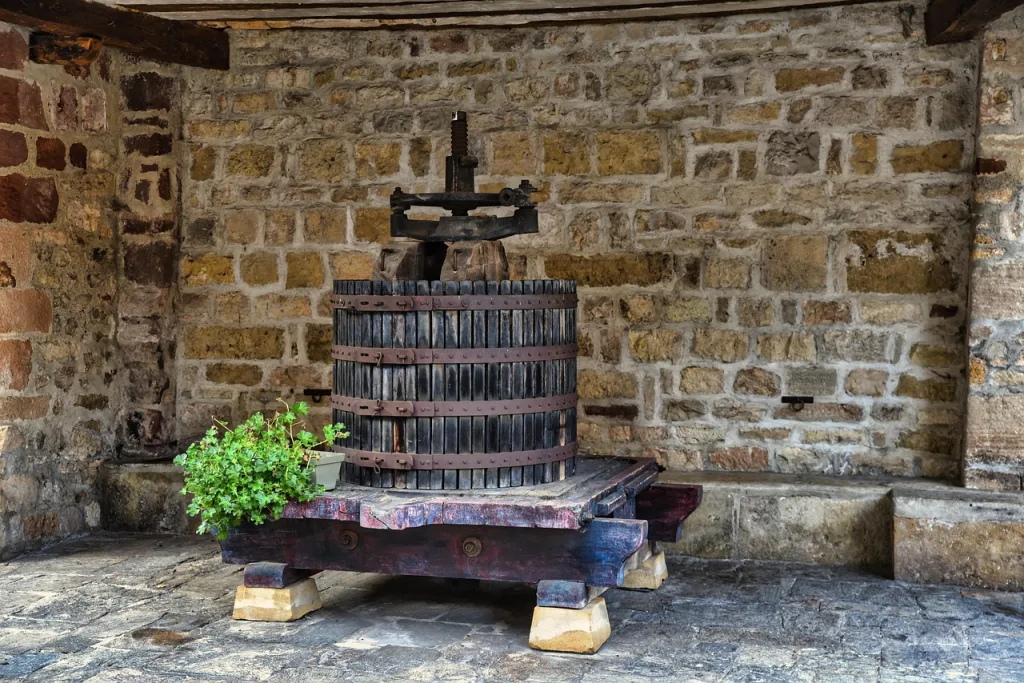
September is more than toil, it is also a time of celebration. In the Austrian countryside villages honor the harvest with Weinherbst, the autumn of wine. Paths through sunlit terraces lead to tastings, parades, and gatherings where freshly pressed Sturm, still young and restless, is savored with hearty food. Fires burn for distilling demonstrations, choirs and brass bands play in courtyards, and the blessing of the young wine is carried out with ceremony. Here, the labor of the vineyard flows into the joy of the community, and the wine is not just a drink but a bond between people and land.
For winemakers, September is a paradox: it is an ending and a beginning. The vines rest after surrendering their fruit, yet in the cellar, a new story has just begun. It is the most demanding month of the year, but also the most moving. It is the time when patience meets reward, when the year’s uncertainties crystallize into promise. September teaches that wine is never simply made; it is lived, harvested, and celebrated, a reflection of both nature’s rhythm and human devotion.