Austrian Wines: A Quiet Powerhouse in European Viticulture
Amid centuries of winemaking tradition, Austria has charted its own quieter path. It is a path that now demands attention.
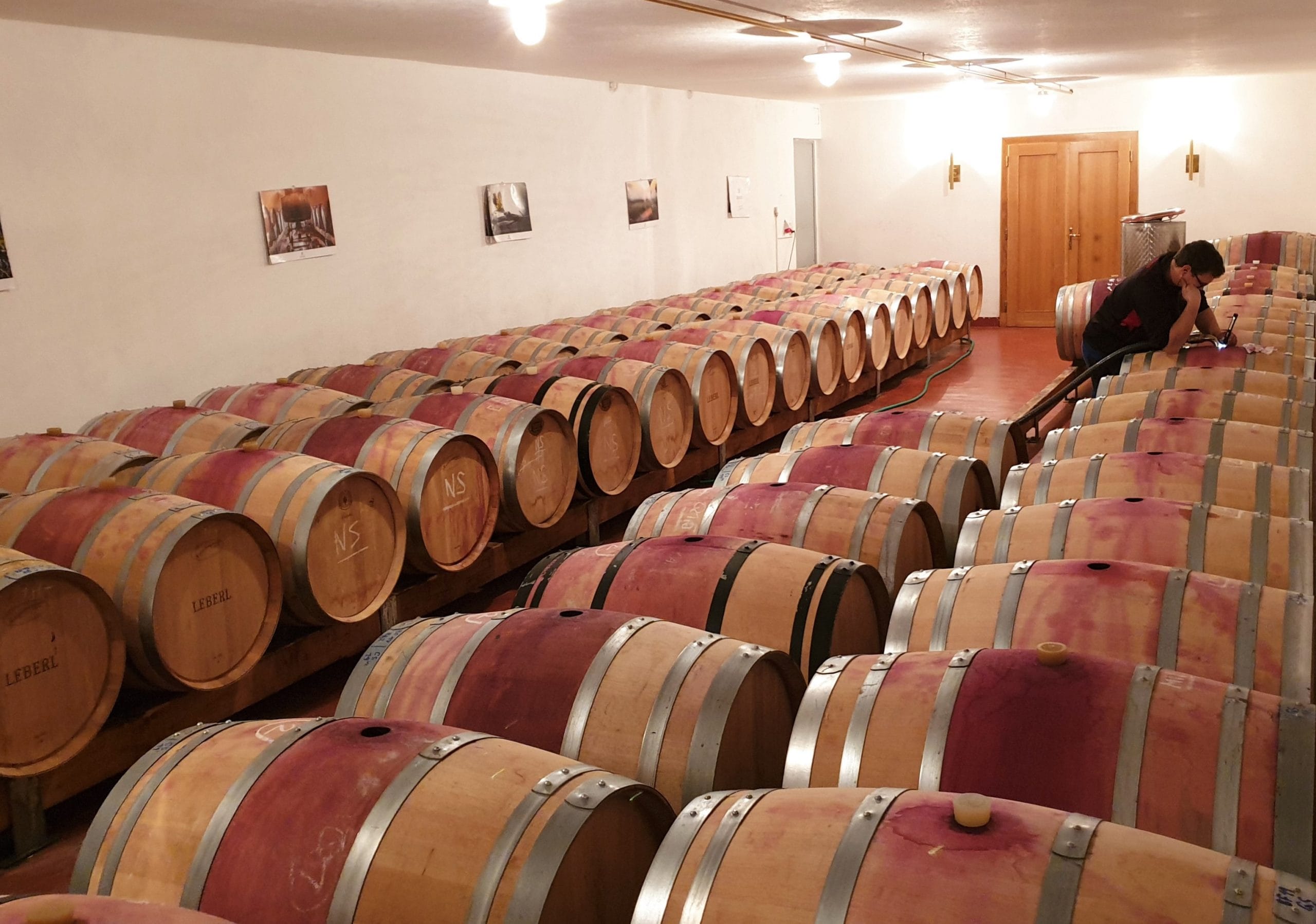
France and Italy have long held a prestigious place in the world of wine, with centuries of tradition and global recognition shaping their legacy. Their contributions to viticulture are foundational, and their wines continue to inspire and define excellence. Yet in recent decades, Austria has emerged as one of Europe’s most exciting wine producing countries. It delivers quality, character, and precision that not only stand proudly alongside its neighbours but often shine unexpectedly bright in blind tastings.
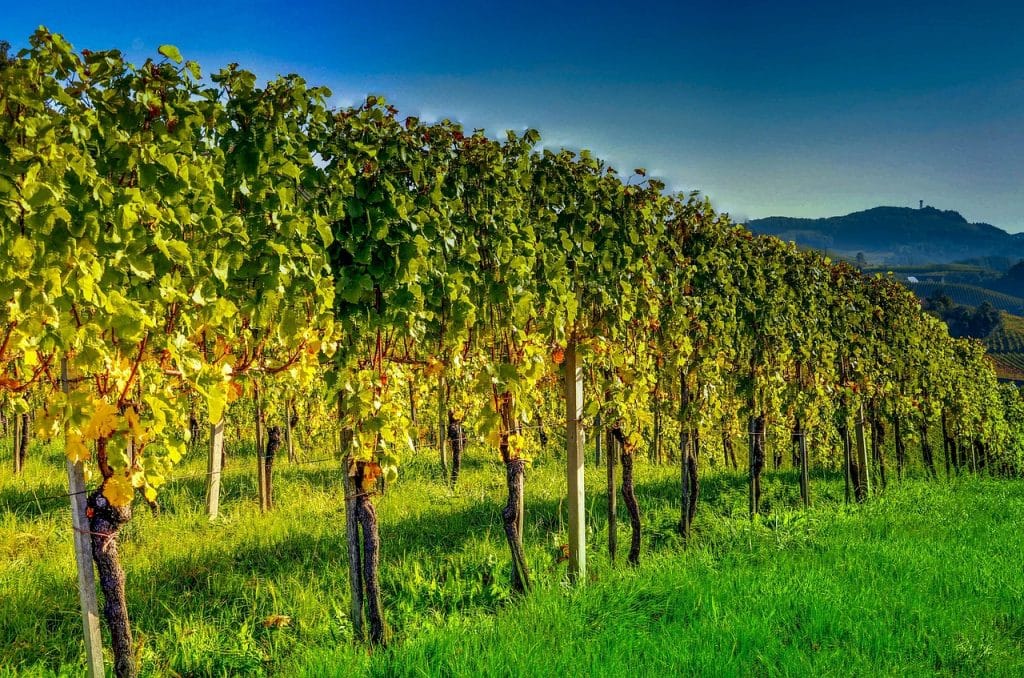
Austrian wines are known for their clarity, balance, and deep sense of place. Whether it is the crisp, mineral driven Grüner Veltliner from the Wachau, the racy Rieslings of Kamptal, or the refined reds like Blaufränkisch and St. Laurent from Burgenland, Austria offers remarkable diversity in styles. All are rooted in a cool climate and meticulously farmed vineyards.
One of Austria’s best kept secrets is how consistently its wines perform in blind tastings. When labels and reputations are set aside, Austrian wines are frequently chosen for their freshness, elegance, and complexity. They often surpass more established names in quality and drinkability. This quiet success is a testament to the country’s rigorous standards, artisanal winemaking culture, and deep respect for terroir.
Rather than challenging France and Italy, Austrian wine complements and enriches the European wine story. It offers a fresh perspective, grounded in tradition yet shaped by forward thinking and an unpretentious approach to winemaking.