

Cork vs. Screw Cap: A Wine Enthusiast’s Guide to the Ongoing Debate

For the discerning wine enthusiast, the closure of a bottle is more than just a seal, it’s part of the story, the ritual, and potentially, the evolution of the wine itself. While natural cork has long been the romantic and historical choice, the modern screw cap has steadily gained respect, especially among New World producers. The question persists: which is better? As always in the world of wine, the answer is, “it depends.”
Natural Cork: Tradition with Character (and Risk)
Natural cork, derived from the bark of Quercus suber (cork oak), has been the go-to closure for centuries. Its porous structure allows for micro-oxygenation, a slow ingress of air over time, which can enhance the ageing process, particularly for structured reds and complex whites. This gentle exchange contributes to tertiary development in the bottle, a characteristic sought after by collectors and cellar masters alike.
However, even the most seasoned enthusiast has likely encountered a corked wine. TCA (2,4,6-trichloroanisole), the compound responsible for cork taint, can dull aromas and impart musty notes. Though advances in cork production have drastically reduced incidence rates, with some sources claiming below 1%, the risk remains part of the cork trade-off.
Additionally, cork performance can be inconsistent depending on quality grade and storage conditions. Some natural variability is unavoidable, which can lead to bottle variation, a fact that purists sometimes embrace, while others view it as a flaw.
Screw Caps: Precision and Purity
Once dismissed as a hallmark of cheap wine, screw caps (typically Stelvin closures) are now firmly established in quality wine circles. Regions like New Zealand, Australia, and even parts of Germany have widely adopted them, particularly for varietals such as Riesling, Sauvignon Blanc, and Pinot Gris, where preserving vibrant aromatics and freshness is key.
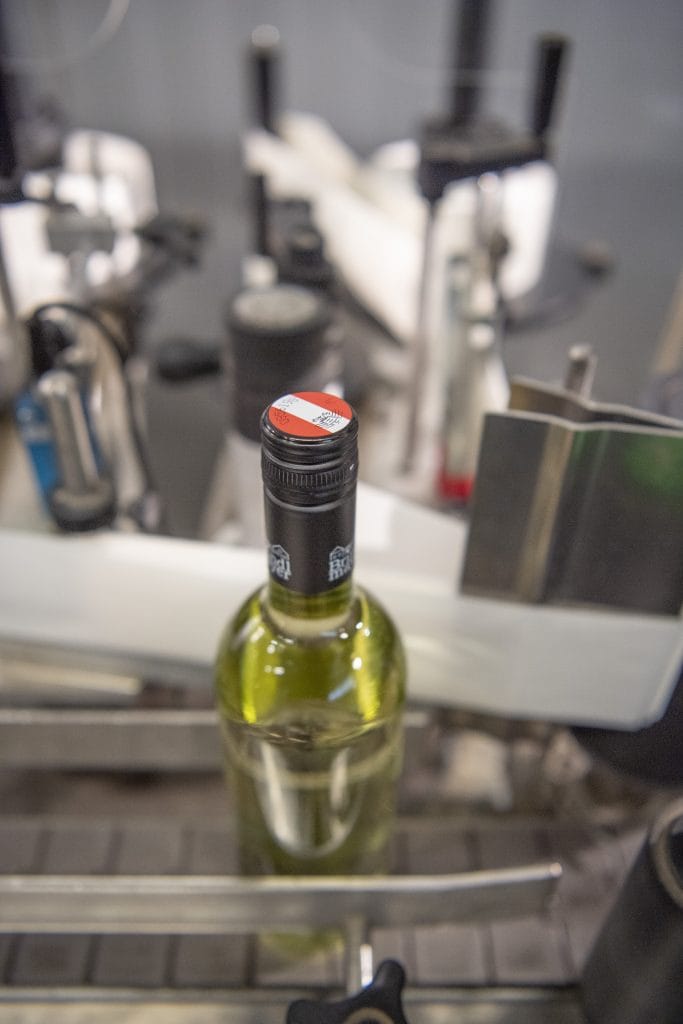
Screw caps offer a near-perfect seal, dramatically reducing the risk of oxidation and eliminating cork taint. For wines intended to be consumed within 3–5 years, screw caps deliver consistency, stability, and convenience.
The counterargument? Some screw caps limit oxygen transmission so effectively that reductive characteristics (like struck match or sulfur notes) may develop, particularly in wines with low intervention winemaking. However, newer cap technologies now allow for controlled oxygen ingress, bringing them closer in function to cork, without the associated risks.
Quality, Intent, and Aging Potential