

Discover Austrian Wine › Wine Regions › Styria

The Wines of Styria – Where Terroir and Tradition Meet
In the southeast of Austria lies Styria, or Steiermark, a region defined by its steep vineyards, diverse soils, and deep-rooted winemaking culture. Though it covers only a small part of Austria’s vineyard area, Styria has built a reputation for producing wines of clarity, freshness, and distinctive character. Its hillside vineyards are shaped by handwork, tradition, and the influence of a unique climate that combines warm days with cool alpine nights.
Styria is divided into three protected origin regions, each with its own personality. Southern Styria is known for its steep slopes and complex soils, producing elegant Sauvignon Blancs with vivid aromatics and precision. Vulkanland Steiermark, formed by ancient volcanic activity, offers mineral-rich soils that give depth and structure to varieties such as Morillon, Welschriesling, Traminer, and Gelber Muskateller. Western Styria, shaped by tradition and local pride, is the home of Schilcher, a crisp, high-acid rosé made from the indigenous Blauer Wildbacher grape.
© Austrian Wine / WSNA
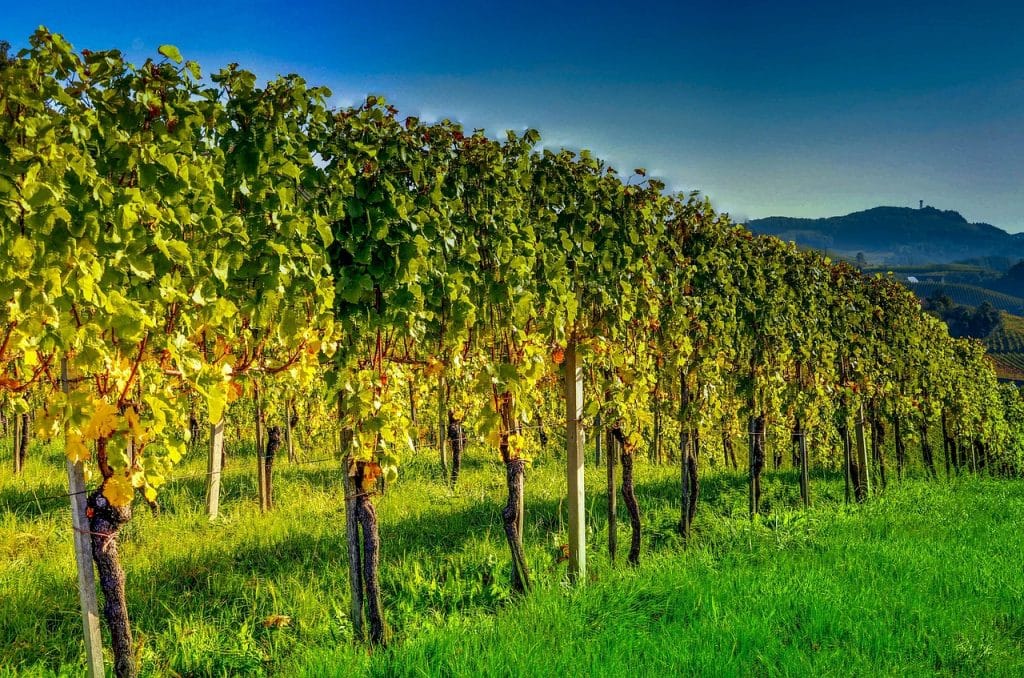
The work in the vineyards is often done by hand, especially on the steep slopes where machines cannot reach. This level of care, combined with the region’s distinctive soils and microclimates, results in wines that reflect their origin with honesty and elegance. Many producers embrace sustainable and organic practices, further enhancing the natural expression of their wines.
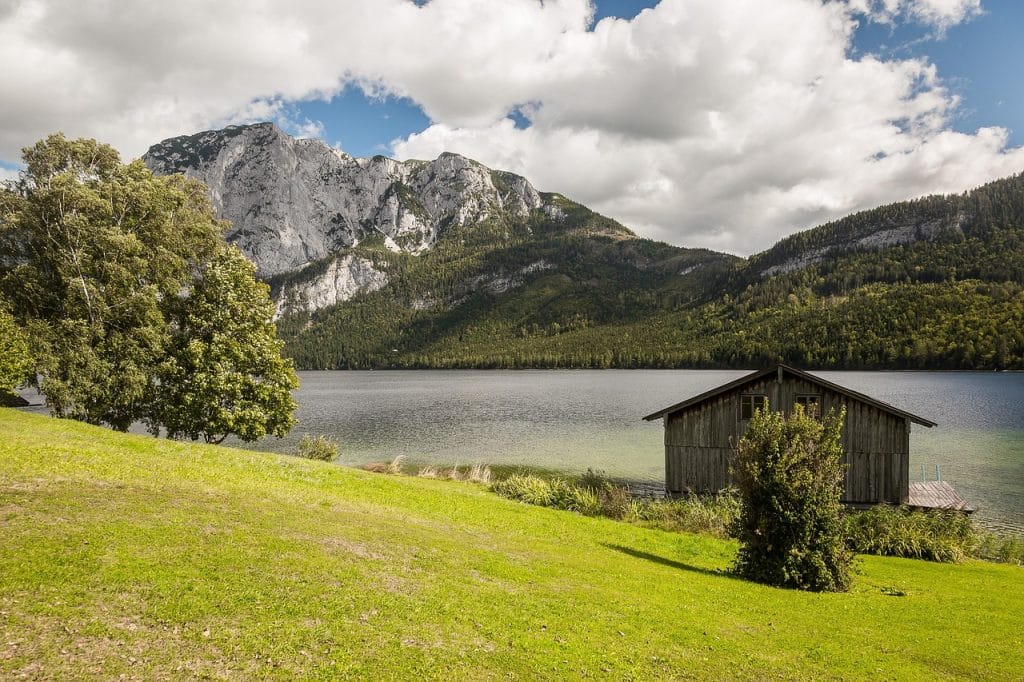
Wine in Styria is not just a product but a way of life. Rustic wine taverns known as Buschenschanken serve homemade wines alongside local specialities, offering visitors an authentic connection to the land and its people. Winding wine roads lead through rolling hills, inviting exploration and discovery at every turn.
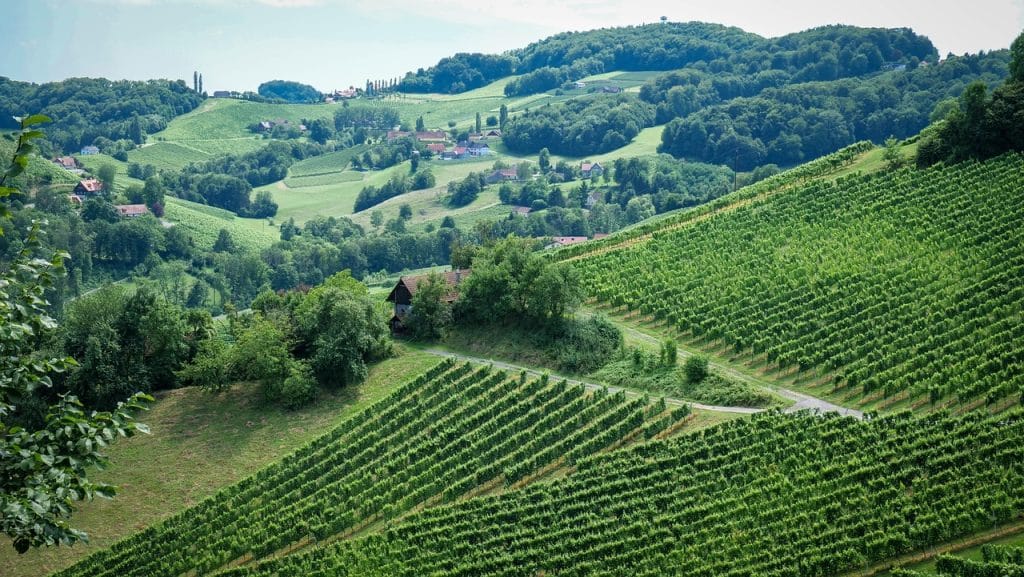
Styrian wines are gaining attention far beyond Austria, particularly the region’s Sauvignon Blancs, which continue to impress on the international stage with their purity and character. Yet the true appeal of these wines lies in their connection to place—crafted with care, shaped by nature, and deeply rooted in local identity.