Discover Austrian Wine › Grape Varieties › Blaufränkisch
Blaufränkisch
Blaufränkisch: Austria’s Signature Red
Blaufränkisch is Austria’s signature red grape, and nowhere does it show its full potential more vividly than in Burgenland. Celebrated for its freshness, spice, and structure, this captivating variety has deep roots in the region’s winemaking history. Believed to have arrived in Burgenland during the 18th century, Blaufränkisch was first planted near the village of Lemberg, which explains its alternative name, Lemberger. That original site, surrounded by gentle hills and iron rich soils, laid the foundation for one of Austria’s most expressive and terroir driven red wines.


In Burgenland, Blaufränkisch thrives in the sunlit Pannonian climate. Long growing seasons allow the grapes to ripen fully while preserving their bright acidity. The region’s varied soils, from the limestone and slate of Leithaberg to the clay and loam of Mittelburgenland, bring complexity and range to the grape’s expression. As a result, Blaufränkisch from Burgenland offers remarkable versatility, from vibrant and mineral to structured, powerful, and long lived.
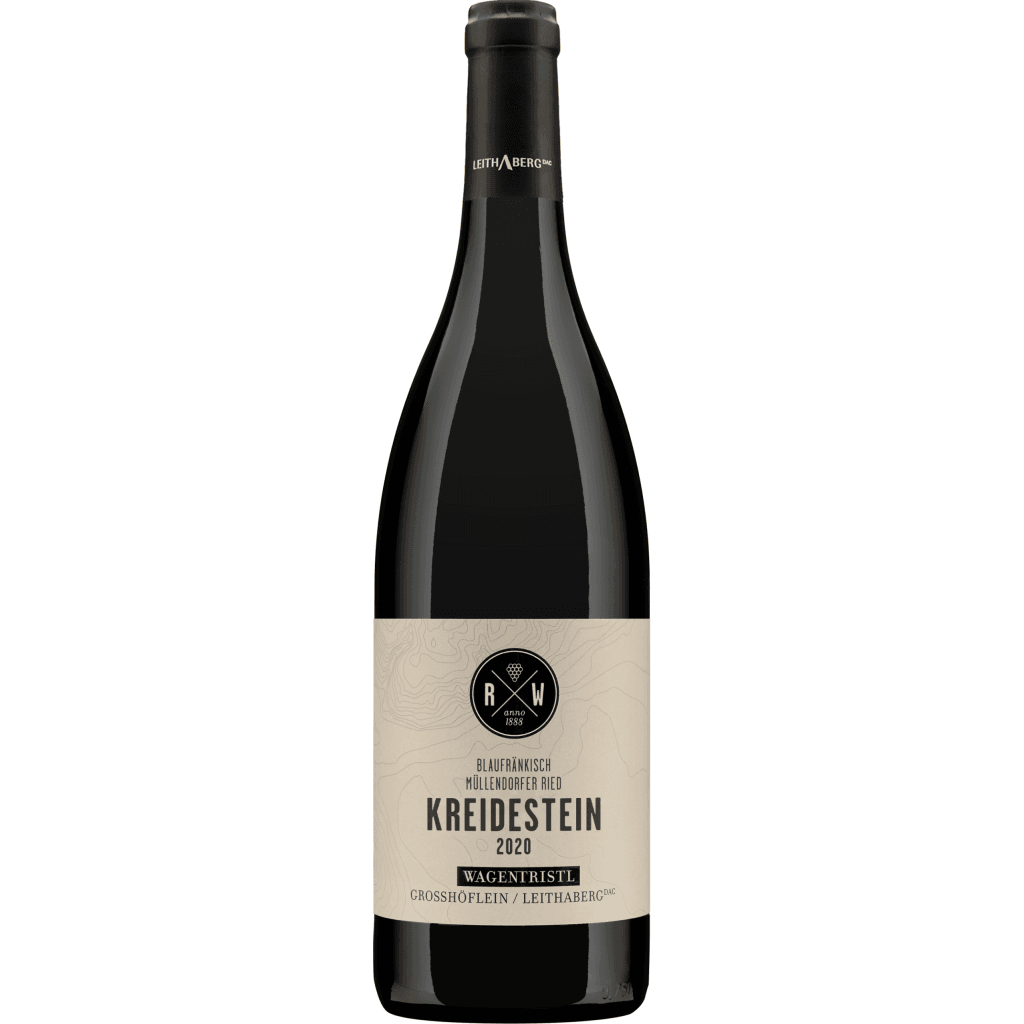
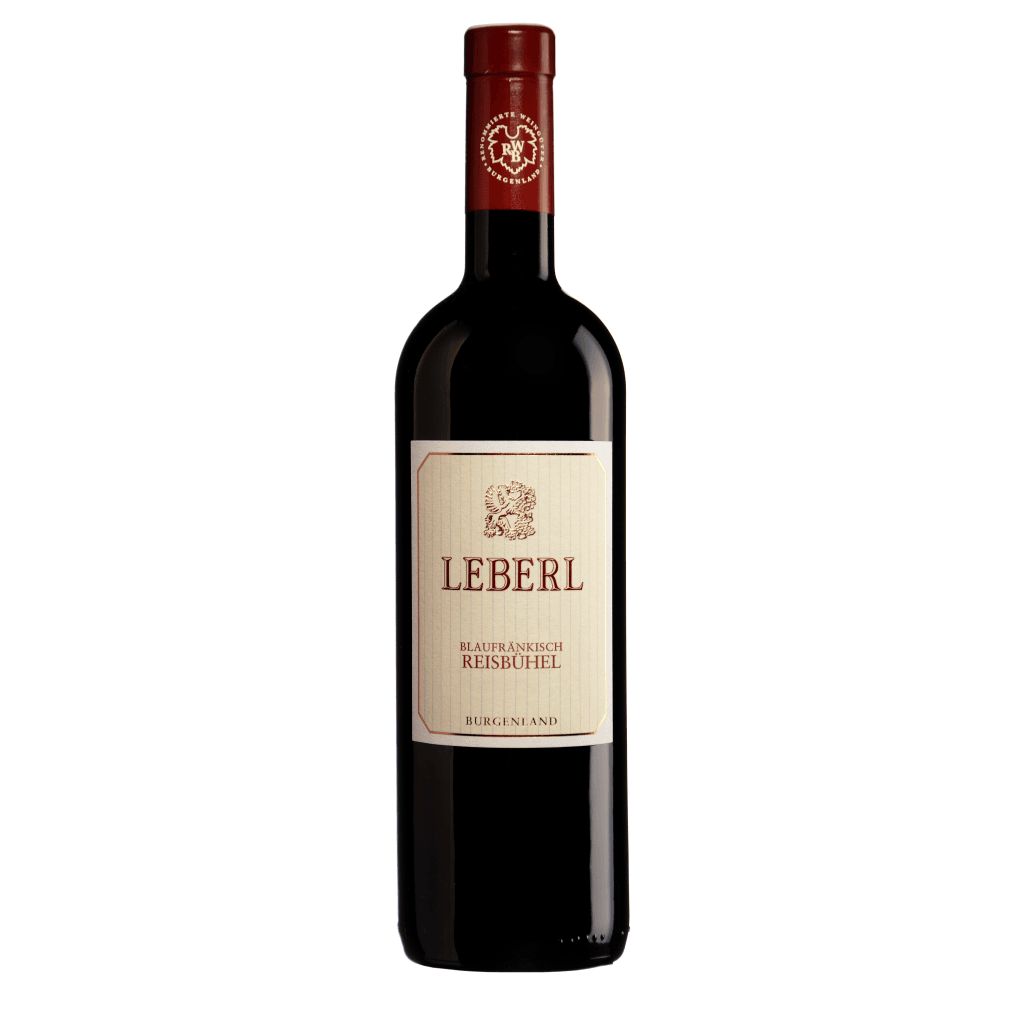
At the heart of Leithaberg DAC are two of the region’s most celebrated Blaufränkisch vineyards: Ried Kreidestein and Ried Reisbühl. Though only a few kilometres apart, each reveals a distinct personality shaped by its unique soil and exposure.
Ried Kreidestein, situated on the southwest facing slopes near Müllendorf, is planted on calcareous soils, the chalky remains of an old limestone quarry. Cooled by nearby forest air, the vines produce Blaufränkisch that is elegant, mineral, and finely structured. Tasting notes often mention dark wild berries, kirsch, and nougat, supported by hints of spiced orange peel and violets, all lifted by acidity and a persistent, stony finish.

To the north, Ried Reisbühl lies between Großhöflein and Kleinhöflein. This warm and wind protected site has been cultivated since the 1570s. Its southeastern exposure and Braunerde soils with crystalline schist yield a denser, more powerful style of Blaufränkisch. Aromas of black cherry, blackberry, thyme, and herbal spice open into layers of nougat and a distinctive mineral salinity, giving the wine both depth and grip.
Together, these two sites express the range of Leithaberg. Kreidestein delivers linear, cool finesse shaped by limestone. Reisbühl shows warmth, spice, and density rooted in crystalline soils.