Discover Austrian Wine › Grape Varieties › Pinot Blanc
Pinot Blanc
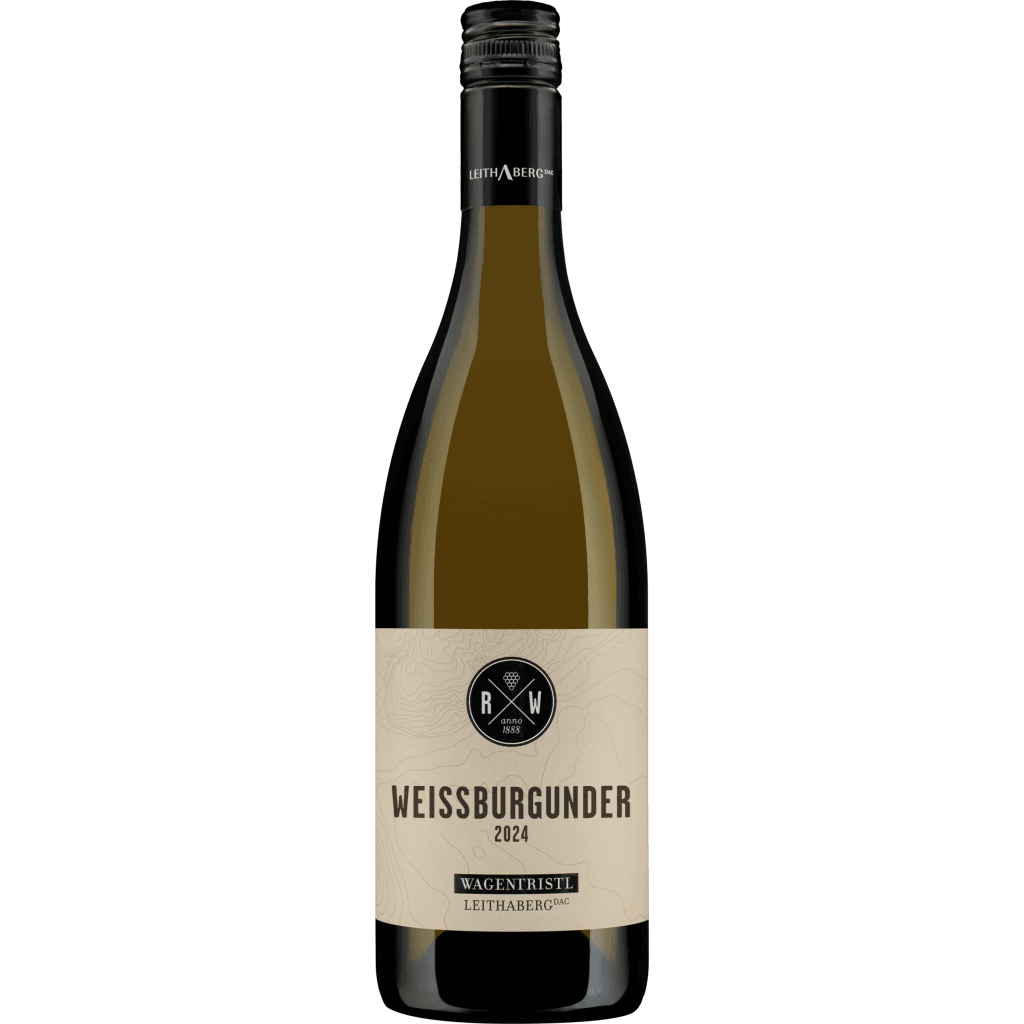
Pinot Blanc – Weissburgunder – a refined white
Pinot Blanc, known in Austria as Weißburgunder, is one of the country’s most elegant and quietly expressive white grape varieties. A natural mutation of Pinot Noir, its origins are believed to lie in Burgundy, but the variety has long since found a distinctive home in Austria’s diverse wine-growing regions. First documented in the 14th century, Pinot Blanc has travelled a long way, but it is in Austria that it has carved out a particularly refined and regionally nuanced identity.
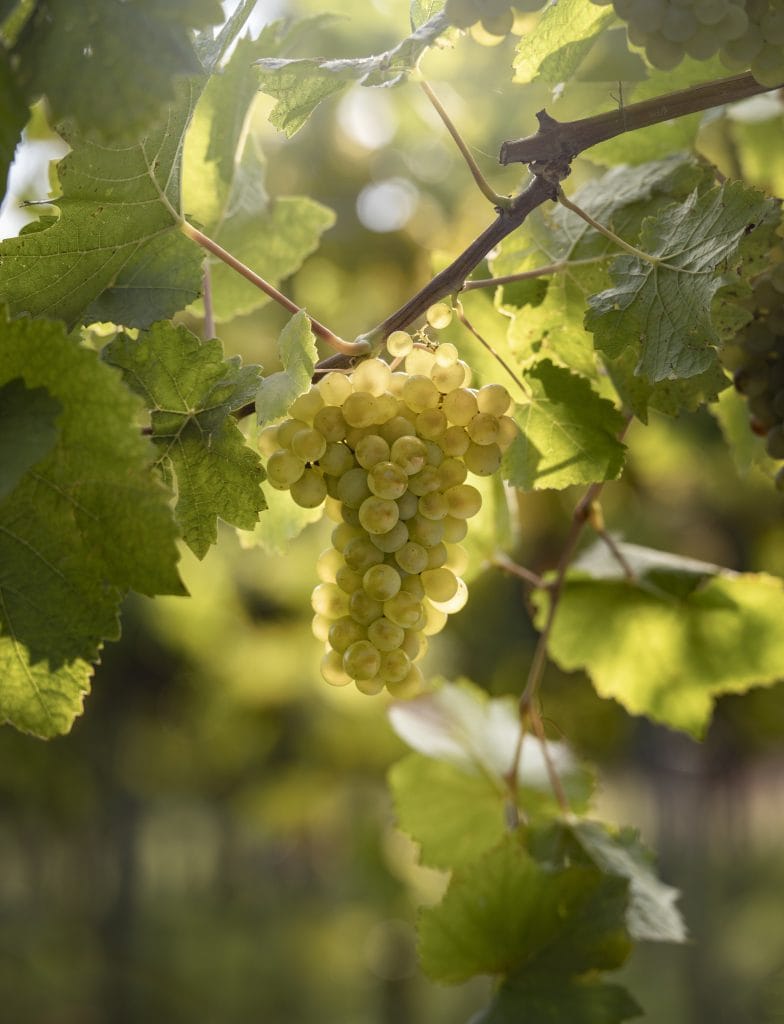
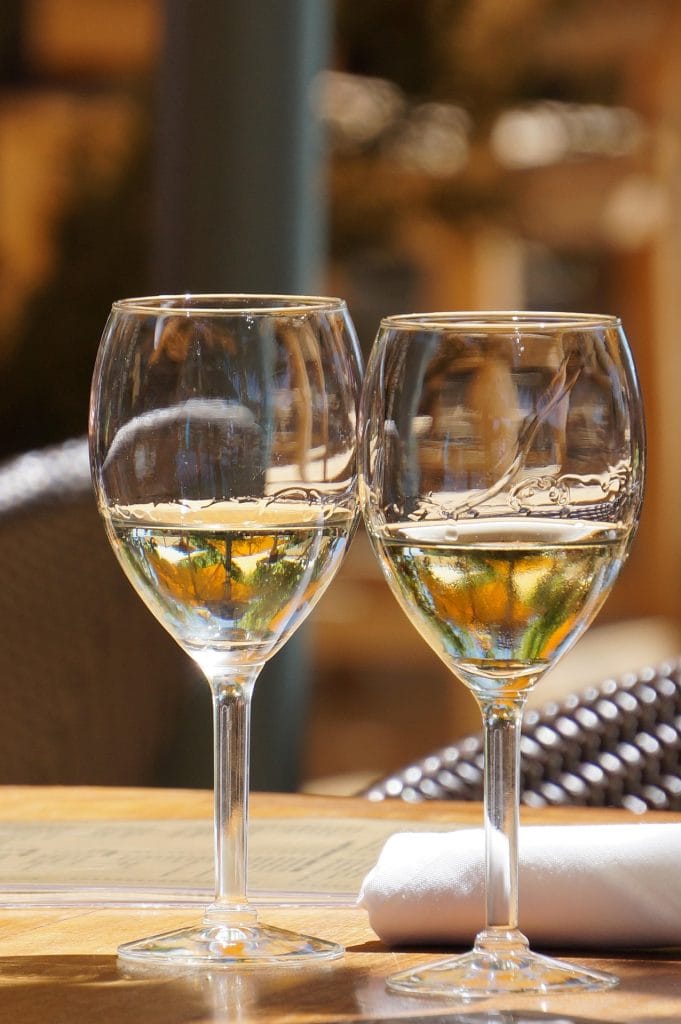
Stylistically, Austrian Pinot Blanc tends to be precise and understated. In the glass, it often shows a pale straw to light gold colour with greenish reflections. Aromatically, it is subtle but captivating, offering delicate notes of ripe pear, white peach, lemon zest, green nuts, and sometimes a faint smokiness or almond character. What sets Austrian Weißburgunder apart is its clarity and balance; it rarely overwhelms with perfume, instead delivering elegance through harmony, structure, and quiet depth.
In Austria’s official classification, Weißburgunder spans both the category of “classic-fresh white wines” and the more structured “white wines with ageing potential.” Particularly in DAC-designated regions such as Leithaberg and Thermenregion, Weißburgunder has emerged as a varietal capable of standing among Austria’s most serious whites, on par with top Chardonnays or even Grüner Veltliners. In fact, many high-quality examples are sourced from single vineyards and express distinctive regional traits, often revealing mineral tension and long, elegant finishes.
Most Austrian producers ferment the variety in stainless steel to preserve freshness and purity, resulting in wines that are crisp, dry, and well-suited to early drinking. However, especially in regions like Leithaberg, it is not uncommon to see versions aged in large oak or even small barriques. These more ambitious styles offer added texture and complexity, often displaying toasty, nutty, and slightly creamy notes while retaining their essential finesse. These are wines that can mature beautifully for years, developing richer tertiary aromas without losing their backbone.
While Germany may cultivate more Pinot Blanc overall, Austria’s expression of the grape is often more restrained and mineral-driven, with an emphasis on terroir and precision over volume and ripeness. Austrian Weißburgunder is rarely flashy, but it is always thoughtful, an ideal wine for those who appreciate subtlety over flamboyance.

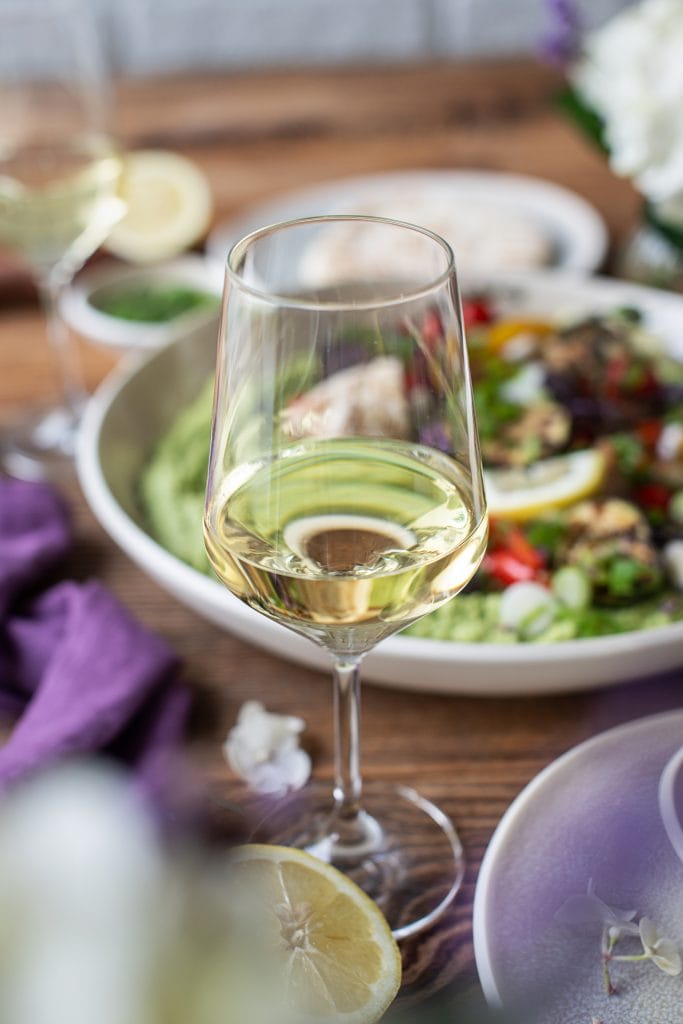
In Austria’s official classification, Weißburgunder spans both the category of “classic-fresh white wines” and the more structured “white wines with ageing potential.” Particularly in DAC-designated regions such as Leithaberg and Thermenregion, Weißburgunder has emerged as a varietal capable of standing among Austria’s most serious whites, on par with top Chardonnays or even Grüner Veltliners. In fact, many high-quality examples are sourced from single vineyards and express distinctive regional traits, often revealing mineral tension and long, elegant finishes.